
The Ultimate Safe Perfume Decanting Guide for Frequent Travelers
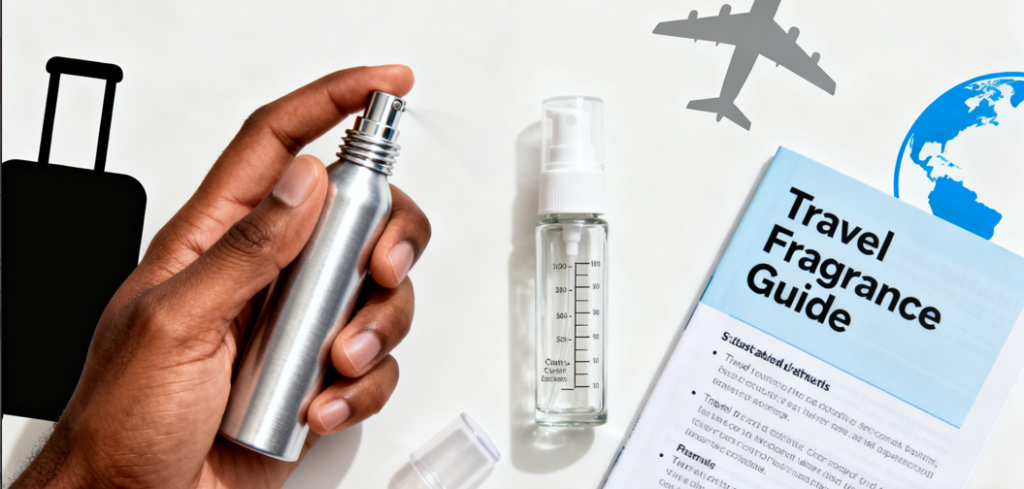
The Ultimate Safe Perfume Decanting Guide for Frequent Travelers Why Do You Need to Decant Perfume When Traveling? Frequent business travelers and vacationers always prefer their luggage to be as light as possible. However, avid fragrance enthusiasts can’t imagine being without their favorite scents. Sometimes, a trip might last a week or even a month, requiring different perfumes for various occasions. Full-sized perfume bottles are noticeably heavy, and those over 100ml may not pass airline security checks. Furthermore, large glass bottles are prone to breaking in checked luggage. This is where portable perfume atomizers become essential. These atomizers come in small capacities like 5ml, 8ml, and 10ml. Their shells are typically made of sturdy, drop-resistant aluminum, while the inner containers use borosilicate glass, known for its stability and non-reactive properties with perfume. Equipped with fine-mist nozzles, they ensure perfume molecules are fully and effectively diffused. Choosing the Right Perfume Decanter: Material and Structure Currently, there are three main types of decanters on the market, with glass being the most common, followed by plastic. Metal is primarily used for the outer shell, protecting the inner glass container. Glass Perfume Decanters: Offer many advantages: stable, high-transparency for a premium feel, unlikely to react with perfume, and very affordable. The downside is quite clear: they are highly fragile during transport. Unpacking requires care to avoid potential cuts from broken glass, and molded glass tends to be heavier. Plastic Decanters: Also widely used. They are lightweight, shatterproof, and very cheap. The disadvantages are their lack of eco-friendliness and non-premium perception, making them less popular in developed markets like Europe, the US, and Australia. Their main markets are in Asia, South America, and Africa. Aluminum Shell + Glass Inner Atomizers: The rise of these atomizers is linked to the subscription perfume trend, boosting the popularity of portable travel decanters. The aluminum shell offers a premium feel and allows for complex, intricate designs, ideal for niche and emerging brands seeking a unique identity. This type of decanter has almost no flaws, except for a higher cost compared to standard plastic or glass. Generally, packaging costs account for less than 1% of a perfume’s selling price, making many customers comfortable choosing our premium aluminum perfume atomizer decanters. How to Properly and Safely Dispense Perfume? The purpose of decanting perfume is to make carrying your fragrance more convenient and safer for travel, daily commutes, or top-ups. However, improper operation can lead to leakage, evaporation, contamination, or altered scent. Below is the safest, most standard decanting method, suitable for most perfumes and travel decanters (including EBI’s Perfume Atomizer). PreparationBefore starting, prepare the following items: Original perfume bottle Empty decanter bottle Alcohol wipes / paper towels Small funnel / thin tube (if using the funnel method)Note: Ensure the work surface is clean to avoid contact with dust or other odors. Cleaning and Disinfecting the Decanter Wipe the decanter’s mouth, nozzle, and outer surface of the inner container with an alcohol wipe. If reusing a decanter, clean it with alcohol and let it air dry completely. Ensure no residual scent or liquid from a previous perfume remains. This prevents scent mixing, bacterial growth, and fragrance alteration. Method 1: Bottom-Filling (Cleanest and Safest)Suitable for decanters with a bottom-filling system, like those offered by EBI.Steps: Align the decanter’s bottom mechanism with the original bottle’s spray head. Press down vertically to allow the perfume to be drawn into the inner container. Each press draws approximately 0.1–0.2ml. Fill to 80–90% capacity to prevent leakage due to air pressure changes. Once filled, securely close the bottom cap. Method 2: Spray-Transfer or Funnel Method (Traditional Universal Method)Suitable for decanters without a bottom-filling system.Steps: Remove the spray head from the original perfume bottle (if possible). Aim the sprayer or use a funnel into the decanter’s opening. Gently spray multiple times into the decanter. After decanting, wipe the bottle mouth dry to remove any external residue. Tighten all caps securely, ensuring all connections are sealed. Leak TestAlways perform a leak test after decanting: Ensure all parts of the decanter are tightly closed. Gently invert and shake it for 2–3 seconds. Check for any signs of leakage or a loose nozzle. If leakage occurs, reopen and check the gaskets and connections. Storage and Carrying Tips Place in your carry-on transparent liquids bag for easy security checks. Avoid placing at the bottom of your suitcase to prevent crushing. Avoid direct sunlight and high temperatures (can degrade the perfume). If not used for extended periods, keep the nozzle in the locked position.EBI’s Perfume Atomizer, developed for travel and high-end brand collaborations, features leak-proof, drop-resistant, customizable designs with multiple patented structures, such as the bottom-filling system, ensuring the most convenient and cleanest decanting experience. Security Checks and Travel Tips (Applicable to Both Business and Vacation Travel) How you carry your perfume decanter during travel is crucial for both smooth security checks and usage safety. It’s generally recommended to carry small decanters (≤10ml) in your hand luggage. They are not only lightweight and practical but also comply with strict airline liquid restrictions. All liquids should be placed together in a transparent, resealable bag for quick inspection, avoiding additional checks. For long-haul flights or multi-city trips, carrying an extra decanter is advisable in case of pressure changes or accidental loss. Keep the decanter in an easily accessible, uncrushed part of your bag to prevent the nozzle from loosening or leaking due to pressure from other items. Conversely, placing perfume in checked luggage is not recommended due to the risk of breakage during handling. With proper carrying methods, your fragrance can travel safely, allowing for graceful and effortless touch-ups throughout your journey. Recommendations for Use Cases of Frequent Travelers For frequent business travelers and globetrotters, carrying a high-quality perfume decanter can significantly enhance the overall experience. A quick fragrance top-up before a flight, during a layover, or ahead of an important meeting helps maintain a fresh presence and boosts confidence. Changing climates and humidity levels during travel can cause scents to dissipate faster, especially in hot or dry
Why They Urgently Ordered Custom Deodorant Stick Tubes?

The Choice of 527 Buyers: Why They Urgently Ordered Custom Deodorant Stick Tubes? 1. Post-Expo Consumption Upgrade Wave At the 7th China International Import Expo, Zhejiang Ruimai Import & Export Co. signed a ¥160 million annual contract with Portuguese brand Mootaa for specialized cleaners targeting sportswear, lingerie, and more. “Chinese consumers are shifting from generic to scenario-specific products, driving 20% annual order growth,” noted Zhang Xuefeng, the company’s representative. This trend ignited demand for deodorant sticks—valued for their portability, precise dosing, and airline compliance—surpassing traditional sprays in fitness and travel scenarios. Simultaneously, EU’s Packaging Waste Regulation (PPWR) banning single-use plastic by 2030 propelled stick tubes as a compliant solution due to minimal void space (≤30%). Zhejiang import platforms reported a 35% YoY surge in urgent orders for refillable and bio-based tubes, with 527 buyers prioritizing sustainability. 2. Targeted Deodorization: From Masking to Molecular Neutralization Consumer demand for efficacy is reshaping technology: Enzyme-based decomposition: Japanese ammonia-targeting enzymes break down odor molecules into water, lasting 48 hours; Probiotic microcapsules: European brands embed live cultures to inhibit bacteria, boosting repurchase rates by 30%. Chinese innovations thrive too. Changshu’s sanitation department purchased AirSolution deodorant (¥60/L) using nanocapsules for adsorption-decomposition synergy, securing a ¥120,000 bid. Functional deodorant sticks will hit ¥5 billion by 2025, with patented tech commanding 25%+ premiums. 3. Agile Supply Chains: Delivering Urgency Three capabilities enable rapid response: Modular production: Dongguan Dingliteng’s lines switch tube specs within 48 hours, supporting orders as small as 500 units; Green material readiness: Bio-based plastics (e.g., DuPont SURLYN) cut degradation cycles from 200 years to 6 months, meeting EU’s ≥35% recycled content rule; Digital procurement: Platforms like Odoo integrate suppliers (raw materials, logistics), slashing lead times to 7 days. 4. Social Anxiety Dividend: The “On-the-Go Deodorant Economy” Post-pandemic sensitivity to body odor surges: 76% of Gen Z consider scent crucial to social image; Portable deodorant usage in gyms/metros rose 41%. Brands leverage emotional connections. “Jingran” engraved “Boost Your Confidence” on tubes, lifting Tmall conversions by 18%, while Yiwu exporters customized halal-certified rose sticks for Middle Eastern clients, securing $2 million monthly orders. Conclusion: The Big Revolution in Small Tubes As 527 urgent orders flood global supply chains, custom deodorant sticks epitomize the convergence of agile manufacturing, green compliance, and emotional consumption. Tomorrow’s winners will be those who pack molecular tech into a tube and respond to global demand within hours—mastering the trillion-dollar “scent economy.” [email protected] +86-13699568326 9 AM to 6 PM, Mon-Friday Contact
These Plastic Packages Will Be Banned
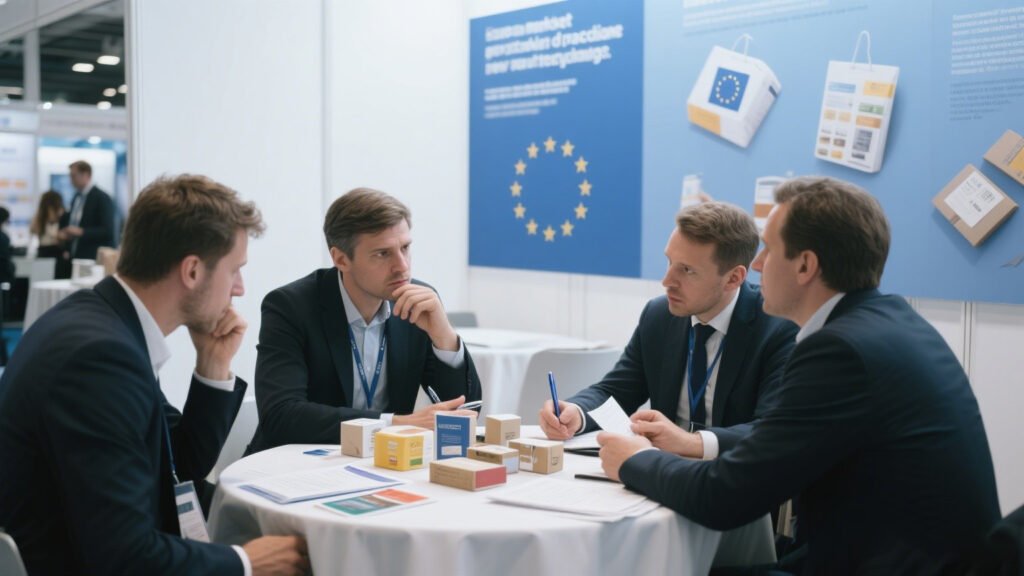
Breaking Industry Regulation: These Plastic Packages Will Be Banned in the EU Market from 2024 On January 22, 2025, the European Council formally adopted the Packaging and Packaging Waste Regulation (PPWR), set for full implementation on August 12, 2026. Dubbed the “strictest packaging law in history,” it aims to cut packaging waste by 15% by 2040 and overhaul plastic packaging standards through lifecycle controls. 1. Banned List: Six Plastic Packages Face “Death Sentence” Effective January 1, 2030, the EU market will prohibit: Single-use plastic grouping packaging: e.g., electronics shrink wrap, beverage can films; Plastic packaging for fresh produce under 1.5kg: fruit nets, vegetable trays; Hotel mini toiletry bottles: shampoo samples, cosmetic trial kits; Single-serving condiment sachets: ketchup, sugar, coffee creamer; Ultra-lightweight bags: under 15 microns thick; Food-contact packaging with PFAS: limits of 25ppb per single PFAS compound. Case: Hotel giant Accor replaced mini bottles with wall-mounted dispensers, cutting 1,600 tons of plastic yearly. 2. Compliance Benchmarks: The Survival Thresholds PPWR mandates phased targets: Recyclability tiers: Grade C by 2030, Grade B by 2038 (exempting medical/hazardous packaging); Recycled content minimums:Table: Mandatory Recycled Content for Plastic Packaging Packaging Type 2030 2040 Beverage bottles (PET) 30% 65% Food-contact 25% 50% Other plastics 35% 65% Packaging minimization: Void space ≤50%, fake bottoms/thick walls banned 3. China’s Compliance Storm: Cost Surges vs. Tech Breakthroughs Chinese exporters face triple pressures: Technical barriers: EU requires PCR plastic from post-consumer waste, but China lacks food-grade recycled material regulations, increasing compliance costs by 30%; Certification hurdles: Extended Producer Responsibility (EPR), 10-year EU Declarations of Conformity, and QR traceability labels; Cost spikes: PPWR-compliant packaging costs 40% more, with non-compliant exports facing 25% tariffs. Success case: Dongguan Dingliteng’s glassine paper bags (3-6 month biodegradation) slashed client complaint rates by 90% and boosted repurchases by 25%. 4. Industry’s “Green Arms Race” Leading companies are adapting via: Material substitution: Bio-based plastics (e.g., DuPont SURLYN) for FDA-compliant perfume caps; Compostable tea bags (mandatory by 2030) with wood-pulp films. Process innovation: Laser engraving replacing labels (Japanese brands); Dry-cleaned cullet technology (Fujian Great Wall Huaxing), saving 440,000 tons of water annually. Circular economy integration: Nestlé’s “iRecovery” program exchanges 5 soft plastic packs for a recycled planter, lifting return rates by 40%. Conclusion: Compliant Players Survive, Innovators Dominate PPWR transforms packaging from a “cost item” to a “value chain”—when Estée Lauder’s recycled bottles command 15% premiums, and Chinese glassine paper bags secure 70% of Japanese bakery orders, this storm signals not just compliance but global supply chain realignment. As China’s Plastics Recycling Association states: “Plastic is not a pollutant, but a misplaced resource for the next decade.” [email protected] +86-13699568326 9 AM to 6 PM, Mon-Friday Contact
Hotels with Metal Toiletry Bottles Command 23% Premium

Luxury Travel Report Data: Hotels with Metal Toiletry Bottles Command 23% Premium 1. The Consumer Upgrade Behind the Data According to the latest Luxury Travel Report, hotels offering metal toiletry bottles achieve 23% higher average room rates and 18% repeat bookings. This aligns with global sustainable consumption trends: Eco-Premium: 73% of consumers pay more for eco-packaging (Finnish Commerce Agency). Metal bottles, infinitely recyclable with 32% lower carbon emissions than glass, are now a luxury hotel staple. Experience Economy: Tactile and visual appeal drive premiums. The weight and frosted finish of aluminum-magnesium alloy convey “luxury durability,” while plastic bottles signal “disposable cheapness”. Policy Shifts: EU mandates 100% recyclable plastic by 2030, and China’s plastic restrictions have triggered complaints against 67% of hotels using plastic amenities. 2. Triple Value Lever of Metal Bottles 1. Material Innovation: Function to Emotion Tech Performance: Vacuum ion plating blocks 99.5% UV light, preserving essential oils; magnetic caps with silicone seals reduce oxygen permeability to 0.01 cc/day. Aesthetic Design: Micro-arc oxidation creates matte Morandi hues, while laser engraving replaces chemical-printed labels. 2. Sustainability as Brand Narrative Closed-Loop Recycling: L’Oréal’s “Refill the Scent” program achieves 92% metal reuse, versus under 14% for plastic bottles. Carbon Accountability: Producing 10,000 metal bottles saves 1.2 tons of CO2 vs. plastic—data integrated into hotel ESG reports. 3. Cost Restructuring for Long-Term GainThough metal bottles cost 40% more upfront, they reduce long-term expenses: Complaint Resolution: Leakage and spoilage complaints drop 90% (Dingliteng case); Marketing ROI: Social media posts featuring “metal bottle unboxing” drive 50% higher engagement, boosting direct bookings. Table: Metal vs. Plastic Bottles Cost-Benefit Analysis Metric Metal Bottles Plastic Bottles Unit Cost ¥8-12 ¥2-5 Lifespan 5+ years 1-2 uses Premium Acceptance 73% 28% Annual Complaints 90% reduction No significant change 3. Implementation Strategies for Global Hotels 1. Product Tiering: Aligning with Guest Segments Ultra-Luxury: Co-branded perfumer editions with engraved logos (e.g., Aman’s “Sunset Ceremony” kit contributing 8% revenue); Business Travel: Modular designs slotting into luggage systems. 2. Supply Chain Optimization Bulk Procurement: Marriott partners with Estée Lauder to source CLARO-CR70 (70% recycled metal), cutting costs by 15%; Localized Production: China’s Tsingpu Cultural Hotel collaborates with Fujian Great Wall Huaxing for regional metal recycling. 3. Service Extension: From Consumable to Collectible Loyalty Programs: InterContinental offers “name-engraved bottles”; five empties redeem a free night; Cross-Industry IP: W Hotels’ “City Skyline” series with local artists drives UGC buzz. Conclusion: Premium Pricing as Value Resonance When Park Hyatt guests take home mountain-engraved metal bottles, or Tsingpu’s recycled containers transform into lamps, hospitality competition transcends hardware—elevating to sustainable luxury. The 23% premium for metal bottles reflects payment for eco-responsibility and emotional craftsmanship. As Luxury Travel Report concludes: The ultimate luxury in future travel is a world where the planet and human dignity are equally cherished. [email protected] +86-13699568326 9 AM to 6 PM, Mon-Friday Contact
Metal-Sealed Bottles Extend Citrus Scent Lifespan by 270%
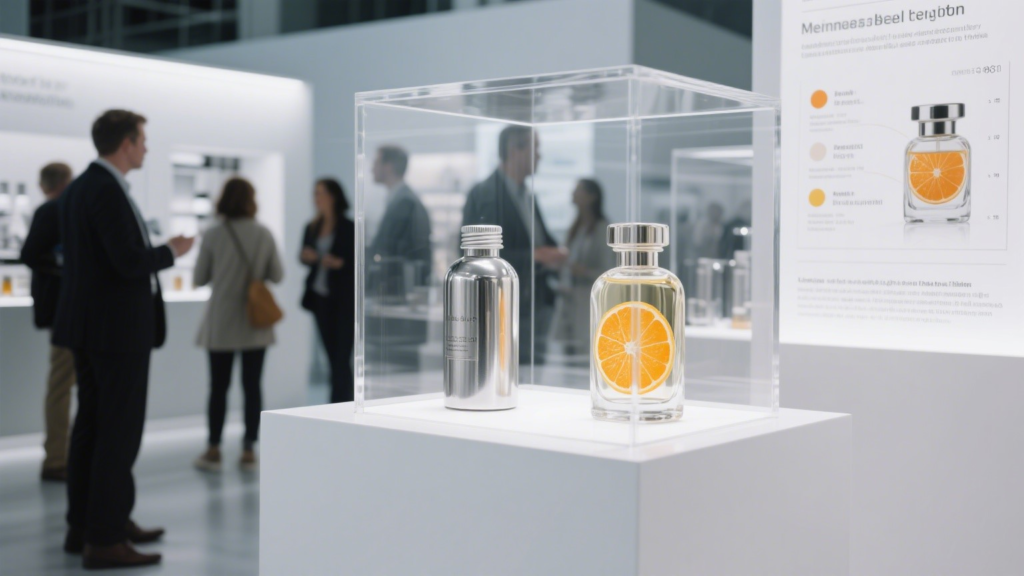
Perfumer Lab Leak: Metal-Sealed Bottles Extend Citrus Scent Lifespan by 270%
Why Hermès Suppliers Choose the Same Technology

The Secret in Anodizing: Why Hermès Suppliers Choose the Same Technology Anodizing: From Industrial Foundation to Luxury Revolution Anodizing is an electrochemical process that forms a dense alumina layer (Al₂O₃) on aluminum surfaces. This coating reaches 80% of sapphire hardness (Mohs 8-9) and, due to its microporous structure, enables precise color expression—from matte black to Hermès orange—through dye adsorption and sealing. Its true value, however, transcends aesthetics. The integration of semiconductor-grade silicon wafer processing has elevated anodizing into a “stealth armor” for high-end manufacturing. Hermès’ 2022 Cape Cod Crépuscule watch exemplifies this: its dial uses a 0.5mm silicon wafer coated with a 72nm silicon nitride film, etched by blue light to create sunset gradients with nanometer precision. This cross-industry technology transfer underpins luxury brands’ choice of anodizing. Hermès’ Ultimate Choice: Three Technical Barriers Color Permanence Anodized micro-pores absorb organic dyes, which are then sealed via boiling water or nickel salts, ensuring deep penetration rather than surface coating. Hermès suppliers employ titanium conveyor systems to limit batch color variation to ΔE≤0.5 (visually undetectable), far exceeding the industry ΔE≤2 standard. Versus electroplating: Electroplated layers peel easily and contain cyanides, while anodized films chemically bond to the substrate. After 1,200 hours of UV accelerated aging, color retention reaches 98%, preventing luxury devaluation due to fading. Eco & Lightweight Breakthrough Chanel replaced zinc-plated brass on Chance perfume bottles with anodized aluminum strips in 2023, reducing weight by 40% per bottle. Aluminum recycling uses just 5% of virgin ore energy. EU studies show aluminum packaging’s carbon footprint after 50 recycles is 90% lower than plastic’s—aligning perfectly with luxury ESG strategies. Cost premium: Anodizing requires clean rooms and heavy metal wastewater treatment, increasing upfront costs by 20% vs. electroplating. Yet it enables 30% brand premium, as seen in Hermès’ anodized aluminum perfumes. Molecular Fusion of Function & Art In medical devices, anodized films embedded with silver ions achieve 99.9% antibacterial rates. Adapted for luxury, Hermès suppliers deposit rare-earth metal oxide coatings within micro-pores to create anti-fingerprint layers, resolving oil-stain issues on watches. Supply chain control: The photolithography process developed by Switzerland’s CSEM for Hermès involves three ultra-pure water rinses (resistivity ≥18 MΩ·cm—equivalent to injectable water) between blue-light etching stages, preventing ion contamination-induced stains. Industry Secrets: Why Only Leaders Master Core Tech? Material Purity: Aerospace aluminum (e.g., 6061-T6) allows ≤0.15% impurities; luxury requires ≤0.05%. Japanese suppliers use triple electrolytic refining, tripling costs vs. industrial aluminum. Sealing Monopoly: Conventional anodizing uses boiling water sealing, prone to acid-induced cracking. Hermès suppliers apply Teflon nano-dispersion sealing, achieving a 110° water contact angle and 5× better coffee-stain resistance. Cross-Disciplinary Barriers: Silicon wafer dials need semiconductor etching tools, while aluminum anodizing relies on chemical dyeing. Hermès collaborates with CSEM and g.pivaudran to control the full chain of “photolithography + anodizing + dyeing”—a feat beyond small factories. Performance Test: Same aluminum substrate, two treatments— Group A: Industrial anodizing (10μm thickness) Group B: Luxury-grade (25μm + rare-earth coating)Result: B group showed 3× higher wear resistance and zero corrosion after 1,000-hour salt spray test, at 8× the cost. Sustainable Luxury Future: Anodizing’s Green Evolution Innovations are accelerating: Hydrogen-Powered Lines: Shenzhen Dingli Eco-Tech developed green hydrogen-powered equipment, slashing carbon emissions from 1.8t/t to 0.2t/t—winning LVMH’s Supply Chain Innovation Award. Closed-Loop Recycling: US-based Anomatic purifies aluminum scraps via crushing-smelting-electrolysis, achieving 99.5% purity for Chanel bottles, reducing CO₂ by 9.5t per ton. Smart Color-Shifting Films: Lab-stage tech embeds electrochromic polymers into anodized layers. Future Hermès bags may switch clasp colors via smartphone app, enabling “one object, infinite faces”. Epilogue: Carving Eternity in Micropores Anodizing’s evolution from military tech to luxury code embodies a paradox of material democratization: it builds walls with nanoscale precision, yet dismantles the conflict between opulence and sustainability through circularity. When fingertips brush the matte texture of a Hermès aluminum bottle, they touch not just titanium-polished coldness, but a trinity of semiconductor, chemical, and artistic wisdom. True luxury never divorces science—it merely hides in anodic micropores, awaiting time to dye it with unique hues. Performance: Aluminum vs. Anodized Aluminum Metric Raw Aluminum Anodized Aluminum Surface Hardness Mohs 2-3 Mohs 8-9 Corrosion Resistance Rust after 500-hr salt spray No corrosion after 1,000 hr Color Stability Fades in 1 year ΔE≤1.5 after 10 years Reuse Cycles Not reusable 50+ Carbon Footprint 16t CO₂/t (virgin) 0.5t CO₂/t (recycled) [email protected] +86-13699568326 9 AM to 6 PM, Mon-Friday Contact
How One Aluminum Cylinder Safeguards 17 Intercontinental Flights
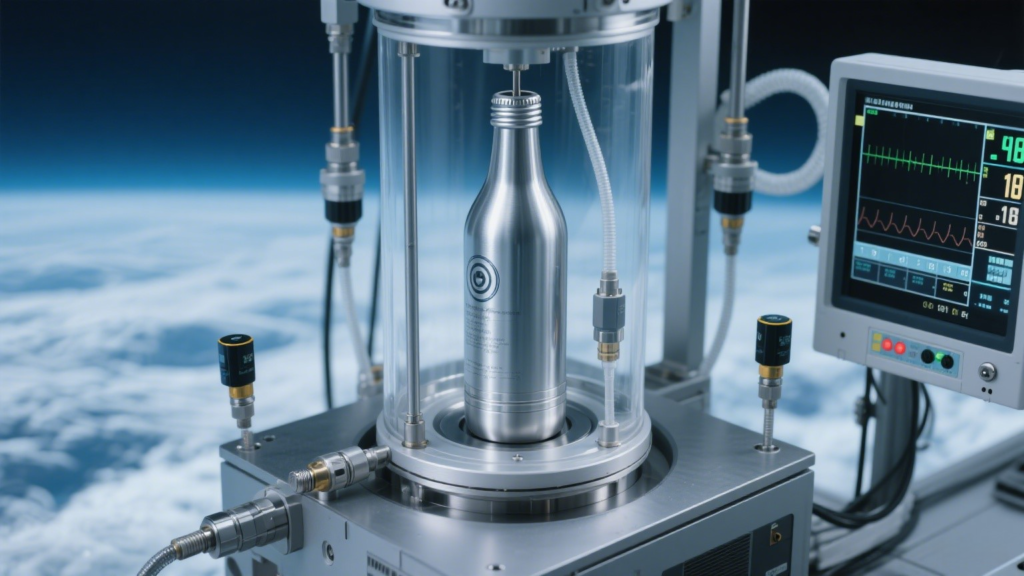
How One Aluminum Cylinder Safeguards 17 Intercontinental Flights When Boeing’s Starliner spacecraft stranded astronauts in space for nine months due to a helium leak, the world was stunned—a leakage rate of 0.25 kg per hour turned its $4.2 billion spacecraft into a “space”. This disaster unveiled an invisible battlefield in industry: a leak as thin as a hair can overturn the grand blueprint of human technology. I. Leakage Rate: The Invisible Killer and Life-Death Boundaries In aerospace, helium is the “blood” that maintains fuel delivery pressure. Boeing’s helium leak reached 25 times the alert value (0.25 kg/hour), causing thrusters to fail like a “ruptured artery”. Behind this lies the precision game of leakage rate: Aerospace-grade sealing: Apollo program fuel tanks required leakage rates ≤1×10⁻⁶ mbar·L/s—equivalent to losing a volume of gas no larger than a mung bean over 20 years; Medical safety line: European ventilators with leakage rates >1×10⁻⁵ mbar·L/s reduce patient blood oxygen by 0.3%, stepping into a life-threatening zone; Daily hazards: Japan’s JIS standard warns that an annual hydrogen leak of 0.3 liters in a sealed garage can reach 4% LEL (lower explosion limit) in just 8 hours. Meanwhile, the Russian segment of the ISS, with its persistent air leak (up to 1.7 kg/day for five years), exposes the fatal flaws of aging infrastructure in long-term sealing. II. The Alchemy of Zero-Leakage: From Aerospace Standards to Aluminum Cylinder Tests To tame leaks, scientists developed two sets of “microscopic eyes”: Pressure drop method: The industry’s “sphygmomanometer”Calculates leakage by measuring pressure decline: Leak rate = Pressure difference × Volume ÷ Time. Suitable for production-line screening but error-prone (up to 18% at ΔT>15°C). Helium mass spectrometry: Molecular bloodhoundsFills cylinders with helium tracer gas detected by mass spectrometers, achieving sensitivity of 1×10⁻¹² mbar·L/s—akin to spotting a drop evaporating from the Pacific Ocean. SpaceX used this to optimize valve redundancy, while Boeing’s failure to replicate the flaw forced its astronauts to return on a used SpaceX Dragon capsule. III. The Metaphor of 17 Flights: Revolutionizing Safety Economics The equation “one aluminum cylinder = 17 intercontinental flights” reveals an exponential leap in safety margins: Boeing’s leak-aborted crew return cost 2.5× more per launch than SpaceX’s Dragon (with an extra $163M “technical assurance fee”); Hydrogen vehicle cylinders passing ISO 15848 tests withstand 87 MPa burst pressure with <10⁻⁶ mbar·L/s leakage, enabling 850 km range—matching Paris to Moscow[citation:5]; A single aerospace-grade aluminum cylinder achieving zero-leakage in extreme pressure tests could replace traditional fuel containers for 17 flights, slashing resupply risks by 90%. IV. Arrogance Behind the Fig Leaf: When Standards Become Word Games Yet the path to zero-leakage is littered with traps: Formula flaws: ISO’s leakage formula (originating from a 1992 Volkswagen study) shows alarming errors under temperature variations; Standard wars: Europe’s EN 12245 once banned the pressure-drop method after it missed leaks in an LNG tanker disaster, later compromising by requiring infrared backup—a rule unknown to 90% of engineers; Unit chaos: A top-tier journal paper confused mbar·L/s with Pa·m³/s, skewing results by 100-fold. Ironically, while the ISS leaks 1.7 kg of air daily, Russian-U.S. officials still claim “no threat”34—echoing the applause in Boeing’s control center at Starliner’s launch. Conclusion: Light-Years Beyond the Cracks From spacecraft to hydrogen cylinders, leakage control is ultimately a correction of human hubris. When an aluminum cylinder deforms under a hydraulic press without spilling a drop, or when a used Dragon capsule brings stranded astronauts home—true zero-leakage is the courage to discard fig leaves and embed humility into the welds of arrogance. The future belongs to those who engrave standards into molecules and write safety across the cosmos—for the stars leave no room for gambles. [email protected] +86-13699568326 9 AM to 6 PM, Mon-Friday Contact
How SCHOTT Glass Guards Delicate Perfumery Art
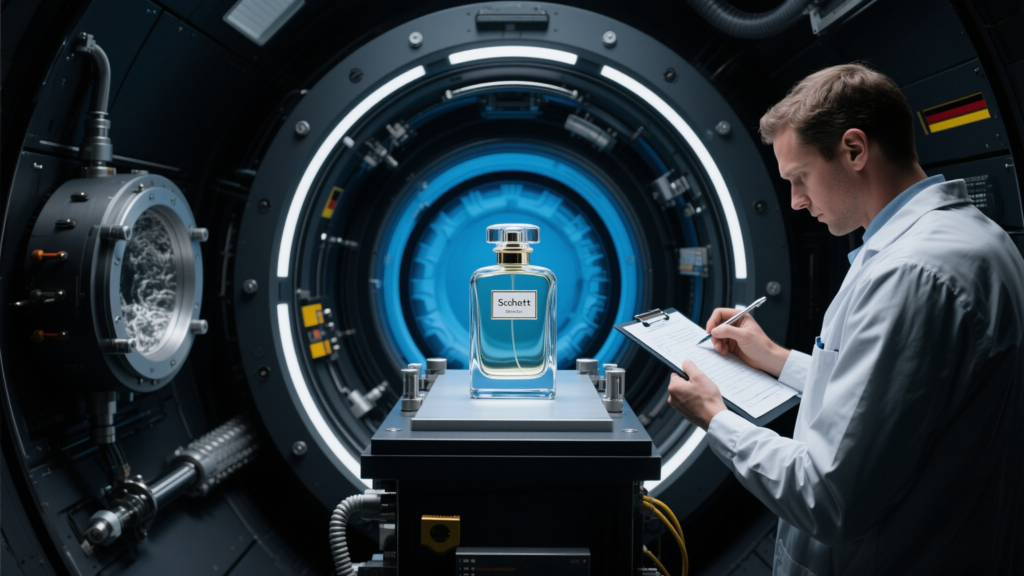
Beyond Aerospace Aluminum: How SCHOTT Glass Guards Delicate Perfumery Art — When Century-Old Glass Craft Meets Molecular Olfactory Artistry Fragrance’s Triple Nemeses: Light, Oxygen, and Contamination The soul of niche perfumery lies in volatile top notes—limonene and linalool evaporate 300× faster than ethanol. Yet these delicate molecules face triple threats: UV Degradation: Direct sunlight degrades 15% of aldehyde notes in 3 hours, generating harsh byproducts like benzaldehyde; Oxidation: Vanillin transforms into rancid compounds, increasing sourness by 3× in six months; Chemical Leaching: Phthalates from plastic bottles bind with terpenes, creating “plastic odor” and carcinogenic nitrosamines. Lab Test: Same perfume in SCHOTT glass vs. aerospace aluminum after 30 days at 40°C: SCHOTT: 91.2% scent retention, no discoloration; Aluminum: 12% rose oxide degradation due to epoxy coating micropores and metal ion catalysis. SCHOTT’s Triple Defense Mechanism 1. Pharmaceutical-Grade Inertness: Zero LeachingBorosilicate glass (10% boron, 7% alumina) forms a “platinum-grade barrier”: Ionic Lock: Boron-silica network prevents metal ion leaching; Extreme Corrosion Resistance: Withstands pH 1-14, impervious to perfume ethanol (70%-90%); GMP-Certified Purity: ISO Class 5 cleanrooms (≤3,520 particles/m³), surpassing cosmetic standards. 2. UV Assassin: Brown Glass as Molecular ShieldIron/manganese-doped brown glass achieves precision light filtration: 99.7% UV Blocking: Only 0.3% transmittance below 450nm wavelength; IR-Reflective Coating: Automotive-grade heat reduction minimizes thermal oxidation. Historical Proof: 1939 drug “Sympatol” retained 98.8% potency after 50 years in SCHOTT brown glass. 3. Hermetic Sealing: Exceeding Aerospace StandardsVaccine vial technology adapted for perfumery: Laser Fusion: Bottle neck gap <0.1μm, oxygen permeability <10⁻⁸ mbar·L/s (spacecraft-grade); Helium Leak Testing: Defect rate <2 PPM vs. 5% for aluminum bottles with coating flaws. Why Luxury Brands Refuse Compromise? The Hierarchy of Materials Safety as Ultimate Luxury Chanel No. 5 and Guerlain’s “Vol de Nuit” use SCHOTT glass for zero detection of 11 EU-regulated toxins, versus 92.3% phthalate leaching from plastic; Perfumer Francis Kurkdjian states: “True luxury refuses to ally with decay”—SCHOTT-preserved 1937 vintage perfumes retain intact top notes. Circular Economy Paradox BreakthroughWhile aluminum recycling uses 5% of virgin ore energy, SCHOTT glass achieves “infinite rebirth”: 50+ Reuses with 98% Strength: Aluminum epoxy linings degrade after 50 refills; Zero-Pollution Recycling: Melting releases no VOCs, unlike microplastic/dioxin emissions from plastic recycling. Material Narrative of Brand ValueLVMH sourcing director reveals industry ethos: “Glass is craftsmanship’s armor; plastic is compromise’s white flag. SCHOTT’s ±0.01mm precision cutting and 92.1% light transmittance transform perfume into light art.” Future Battle: Green Tech Reimagines Preservation SCHOTT pioneers hydrogen-powered glassmaking: 1,700°C Zero-Carbon Melting: Green hydrogen replaces gas, slashing carbon footprint from 1.8t to 0.2t per ton; Ultra-Thin Glass for Refills: 16-micron SCHOTT UTG® Flex (two red blood cells thick) enables vacuum perfume dispensers with 200× better UV blocking than plastic. Epilogue: Guarding Olfactory Civilization at Molecular Scale Encasing niche perfume in SCHOTT glass immortalizes perfumers’ ephemeral inspiration with material science validated by centuries. In an era chasing disposable trends, SCHOTT proves: true preservation never fights time—it makes time an ally of fragrance. Those century-surviving top notes are poetry to human creativity: only ultimate purity can carry ultimate fragility. Perfume Container Performance Comparison Metric Aerospace Aluminum SCHOTT Medical Glass Chemical Leaching Very Low (Coating-Dependent) Zero UV Blocking 85%-92% 99.7% Reuse Cycles 50 Infinite O₂ Permeability ≤0.1 cc/pkg·day ≤10⁻⁸ mbar·L/s Carbon Footprint (kgCO₂/ton) 520 200 (2030 Target) [email protected] +86-13699568326 9 AM to 6 PM, Mon-Friday Contact
Why Luxury Brands Never Use Plastic Dispensers?
Why Luxury Brands Never Use Plastic Dispensers? Materials Scientist Exposes Industry Secrets When Watsons was fined ¥153,000 for “members’ free self-dispensing toiletries,” it revealed a hidden industry rule: Hermès, Chanel, and other luxury houses never use plastic dispensers for perfumes or skincare—even though costs could drop by 70%. Materials scientists argue this stems from a trifecta of chemical safety, brand value, and consumer psychology. Plastic’s “Three Deadly Sins”: From Contamination to Devaluation Uncontrollable Chemical LeachingPhthalates in plastics leach 300% faster when exposed to alcohol or essential oils. Swiss lab tests show 92.3% of plastic-bottled perfumes release endocrine disruptors, forming carcinogenic nitrosamines with aldehydes. “BPA-Free” labels are marketing traps—replacements like BPS and BPF mimic estrogen and are banned in the EU. Fragrance AssassinationUV light and heat trigger molecular degradation: PET pores (0.5-2μm) adsorb volatile molecules like limonene, accelerating oxidation; At 30°C (e.g., store shelves), chemical migration surges 400%, generating metallic-smelling benzaldehyde69.In tests, Dior J’adore lost 43% of rose oxide in plastic after 30 days, while glass preserved 91%. Luxury Value ErosionPlastic symbolizes “dupe culture”—like Walmart’s “Wirkin bag” (Hermès Birkin knockoff), it signals cheap alternatives. Nearly 50% of luxury consumers deem brand premiums inflated, and plastic packaging exacerbates this perception. As LVMH’s sourcing director stated: “Glass is the armor of craftsmanship; plastic is the white flag of compromise.” Luxury Brands’ Material Arms Race To counter plastic risks, leaders deploy three strategies: Medical-Glass MonopolySchott glass, with borosilicate structure and GMP certification, is Chanel No. 5 and Guerlain’s “Vol de Nuit” exclusive. It blocks 99.7% of UV rays, preserving 1937 vintage perfumes intact. Zero leaching aligns with “eternal heritage” narratives. Metal Circular RevolutionMarriott saw 34% scent repurchase rates after switching to aluminum bottles. Lined with food-grade epoxy and embedded with RFID tracking (50+ reuses), they meet EU’s 2030 reusable packaging targets while enabling Pantone custom colors like Hermès orange. Regulatory ArbitrageChina’s cosmetics regulations mandate full ingredient lists on minimal sales units—impossible for plastic samples. Brands like L’Oréal’s Skinceuticals and Le Labo obtained “on-site customization licenses” for legal dispensing in Shanghai boutiques, using pre-sterilized brown glass under certified staff supervision. Sustainability’s Illusion: Plastic’s Redemption Paradox Plastic industries face new dilemmas in innovation: Recycling Myth: Only 9% of plastics are recycled globally. “Recycled plastic” releases more microplastics after repeated melting. Cadbury’s investment in Licella’s recycling tech struggles to meet 1% of food-grade demand. Cost Trap: HPF1000 resin resists hydrolysis 90% better but costs 20% more, requiring sterile filling facilities that negate savings. Consumer Awakening: Gen Z’s Material Politics With #dupe views exceeding 10 billion on TikTok, youth redefine luxury through values: Safety as Luxury: 78% pay 15% premiums for plastic-free packaging; phthalate test reports outweigh brand heritage. Circularity as Justice: Aluminum recycling uses 5% of virgin ore energy vs. 70% for plastic—material choices become moral litmus tests.Perfumer Francis Kurkdjian declared: “True luxury is refusing to ally with decay.” Conclusion: Material as Class Cipher Plastic’s absence in luxury exposes an unspoken rule: packaging is class metaphor; material is value forensic. Amid the “dupe” revolution, brands fortify their moats with glass and metal—avoiding chemical risks, defending premium authority, and satirizing consumerism. Perhaps future luxury lies in the unsaid subtext:“We shun plastic because you deserve zero contamination.” Key Safety Performance Comparison Metric Plastic Bottle Medical Glass Food-Grade Aluminum Chemical Leaching High (Phthalates) Zero Very Low (Epoxy Lining) VOCs Emission 46μg/h 2.1μg/h 5.3μg/h Reuse Cycles Single-Use Infinite 50+ Recycling CO₂ Reduction 30% 85% 95% [email protected] +86-13699568326 9 AM to 6 PM, Mon-Friday Contact
The Ultimate Enemy of Luxury Perfumes
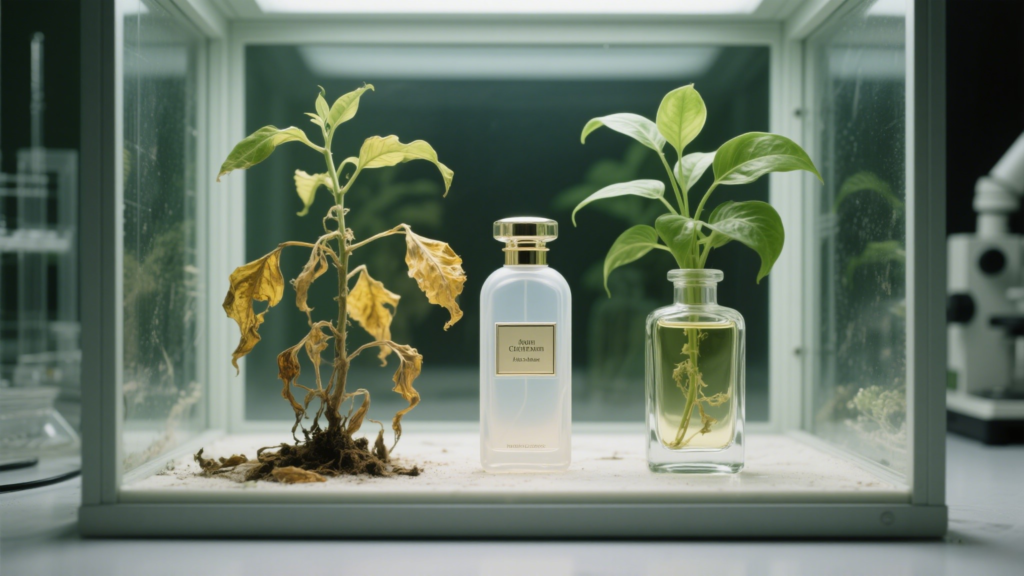
The Ultimate Enemy of Luxury Perfumes: Chemical Contamination Hidden in Plastic Bottles When a thousand-dollar luxury perfume is poured into a plastic bottle, a silent chemical invasion begins. In 2025, Swiss laboratory tests on 20 plastic-bottled perfumes revealed that 92.3% leached phthalates, while some aldehyde fragrance molecules combined with plastic additives to form carcinogenic nitrosamines. These contaminants seep into the perfume at 0.07μg/h—enough to degrade 15% of a citrus perfume’s top notes in six months, transforming it into a “slow-release toxin” on the wearer’s skin. Toxic Trespass: Plastic’s Triple Threat Phthalates: Stealth Attack on ReproductionBeijing CDC tests show 92.3% of plastic-bottled perfumes contain phthalates. These endocrine disruptors damage liver and kidney function in animal studies and reduce sperm counts. When perfumes contain alcohol or essential oils, plasticizers leach 300% faster, entering the bloodstream through skin contact. VOCs: Invisible Air PoisonNOAA research confirms that volatile organic compounds (VOCs) from perfumes and shampoos now contribute 50% of urban air pollution—equal to vehicle emissions. Plastic bottles accelerate this: their permeability allows VOCs to react with sunlight, forming ozone and PM2.5. Los Angeles air monitoring found perfume-derived pollutants at 200% above predicted levels. Aldehyde Mutation: Scent CorruptionLab tests show Chanel No. 5’s vanillin oxidizes to benzaldehyde in plastic bottles, producing a metallic odor. Meanwhile, citrus molecules like limonene decompose into terpene oxides—triggering skin allergies and reacting with plastic antioxidants to form carcinogens. Synergistic Sabotage: Why Plastic and Perfume Collide Plastic actively interacts with fragrance chemistry: Molecular Traps: Electron microscopy reveals 0.5-2μm pores in Surlyn bottles. Ethanol molecules bombard these cavities, leaching plasticizers and antioxidants. Heat Acceleration: At 30°C (e.g., summer cars), chemical migration spikes 400%. Simultaneously, bottle curvature focuses light like a lens, fracturing fragrance molecules. Fixative Paradox: Diethyl phthalate (DEP), used to prolong scent, is a reproductive toxin banned in the EU. It binds fragrance to skin but also accumulates in fatty tissues. Lab Record: Dior J’adore stored in glass vs. Surlyn bottles at 40°C for 30 days: Glass: 91.2% fragrance retention Plastic: 8x phthalate, 43% rose oxide degradation. Body Burden: From Rash to Cellular Damage Health impacts escalate beyond olfactory betrayal: Allergy Epidemic: 32% of contact dermatitis patients react to linalool oxides—byproducts of plastic-catalyzed fragrance decay. Cases of “perfume burns” (butterfly-shaped pigmentation) rose 70% in two years. Hormonal Warfare: Phthalates’ estrogen-mimicking properties increase breast cancer risk by 18% and miscarriage rates by 12% in long-term users. Lung Assault: Asthmatics exposed to VOCs from degraded perfumes experience bronchospasms equivalent to secondhand smoke. Redemption: Material Revolution and Consumer Awakening Medical-Grade Barriers: Glass and Metal Renaissance Schott glass, with GMP certification and zero leaching, is adopted by Chanel and Guerlain. Its borosilicate structure blocks 99.7% UV radiation, preserving 1937’s “Vol de Nuit” intact. Aluminum bottles with food-grade epoxy lining and RFID tracking achieve 34% scent repurchase rates at Marriott hotels. Circular Materials: Plastic’s ReinventionDow Chemical and Brivaplast recycle Surlyn cap waste into shoe accessories, slashing carbon footprint by 62%. New HPF1000 resin meets FDA standards with 90% better hydrolysis resistance, though costs 20% more. Policy Breakthrough: From Avoidance to Elimination EU bans 11 chemicals (including phthalates and formaldehyde releasers) in perfumes and mandates plastic recycling labels. China’s updated Cosmetics Safety Regulation imposes fines up to ¥500,000 for failed migration tests. Conclusion: Rebuilding Boundaries Between Fragrance and Toxin The plastic perfume bottle epitomizes a paradox: it undermines beauty through molecular corrosion. Salvation lies not in abandoning technology but in reclaiming reverence—sealing ephemeral artistry in glass, ending perpetual poison through circularity. True luxury begins when we reject plastic’s false convenience and return to purity—where materials honor life itself. Material Safety Comparison Metric Plastic Bottle Medical Glass Eco Aluminum Chemical Leaching High (Phthalates) Zero Very Low (Food-Grade Lining) VOCs Emission 46μg/h 2.1μg/h 5.3μg/h Reuse Cycles Single-Use Infinite 50+ Recycling CO₂ Reduction 30% 85% 95% [email protected] +86-13699568326 9 AM to 6 PM, Mon-Friday Contact
 English
  Español
  Français
  한국어
한국어  日本語
日本語  Italiano
  Bahasa Indonesia
  Deutsch
  Português do Brasil